


Publisher:WHAT IS SINGLE ENTRY BOOKKEEPING IN ACCOUNTING?
Oct 04,2023
What is Single Entry Bookkeeping in Accounting?
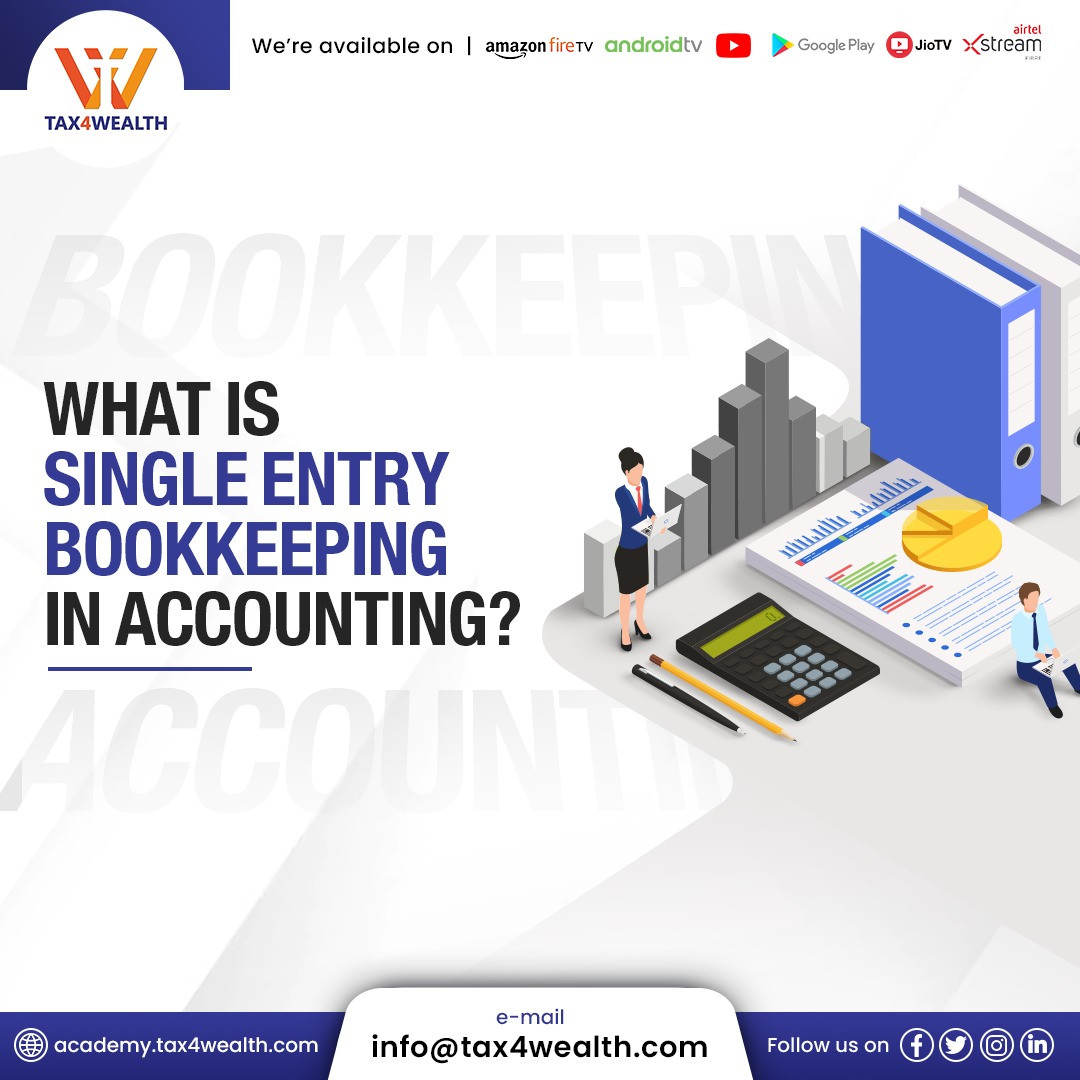
Introduction:Accounting is a fundamental aspect of managing finances for individuals and businesses alike. To keep track of financial transactions, two primary methods of bookkeeping are employed: single-entry and double-entry bookkeeping. In this blog, we'll delve into the world of single-entry bookkeeping, exploring what it is, its advantages, and disadvantages, and when it might be suitable for your financial needs.What is Single Entry Bookkeeping in Accounting?Single-entry bookkeeping is a simplified method of financial record-keeping that tracks transactions with a single entry for each financial event. In this system, financial transactions are recorded in a single ledger, typically organized chronologically.This method is often used by small businesses and freelancers because it is easy to learn and maintain. It can also be used by individuals to track their personal finances.The single entry bookkeeping system simplifies financial record-keeping by focusing on the cash book and personal accounts of creditors and debtors, without the need for additional ledgers. In this method, transactions are solely recorded in the cash book, without adhering to the double-entry principles. Notably, nominal and real accounts aren't part of this system.Single entry bookkeeping primarily maintains records related to taxes paid, accounts payable, cash, receivables, and a select few other accounts. This system is often favoured by small businesses due to its user-friendly nature and minimal demands on resources.Characteristics of Single Entry Bookkeeping System :The single entry system of bookkeeping is distinguished by several key characteristics:1. Utilization of Original Vouchers :In this system, original vouchers hold paramount importance. They serve as the primary source of information, capturing crucial details such as transaction amounts, dates, any applicable discounts, involved parties, and more.2. Cash Book Maintenance :Under single entry bookkeeping, a single cash book is maintained to record all cash receipts and payments occurring within a specified period. This includes both personal and business transactions, consolidating them into a single ledger.3. Management of Personal Accounts :Personal accounts of creditors and debtors are diligently managed in the single entry system. This is done to ascertain the total credit purchases and sales over a specific period. However, real and nominal accounts are omitted from consideration.4. Absence of Prescribed Rules :The single entry bookkeeping method lacks a rigid set of established rules or principles for profit determination and the creation of financial statements. As a result, it is relatively flexible in its application, which can vary from one business to another.5. Profit or Loss Estimation :In this system, the business's profit or loss is approximated based on the available information. Consequently, exact figures for profits or losses are not determined. These calculations are estimations, preventing the comprehensive assessment of the overall financial position of the business.6. The challenge in Preparing Final Accounts :Creating final accounts can be challenging within the single-entry bookkeeping framework due to the absence of data from real and nominal accounts. Information about liabilities and assets is derived from available data, but these figures remain approximate. Therefore, instead of a traditional Balance Sheet, a Statement of Affairs is often prepared.Advantages of Single Entry Bookkeeping :Single entry bookkeeping is straightforward and requires minimal accounting knowledge. It's an ideal choice for individuals or small businesses with uncomplicated financial transactions.1. With only one entry per transaction, this method saves time compared to double entry bookkeeping, where every transaction involves two entries - a debit and a credit.2. Since it doesn't require the use of specialized accounting software or hiring a professional accountant, single entry bookkeeping can be cost-effective for small businesses with limited resources.3. If your business operates on a cash basis, where you record income and expenses when money physically changes hands, single entry bookkeeping can work well.4. Single entry bookkeeping doesn't involve complex accounting principles or the need to create balanced financial statements, making it accessible to individuals with limited accounting knowledge.Disadvantages of Single Entry Bookkeeping :1. Single entry bookkeeping does not provide the same level of accuracy as double entry bookkeeping. It may lead to errors or omissions, which can impact financial reporting and decision-making.2. This method does not provide detailed financial statements like balance sheets or income statements, making it challenging to assess the overall financial health of a business.3. Businesses with complex financial transactions or multiple revenue streams may find single entry bookkeeping insufficient to capture all relevant financial data.4. Single-entry bookkeeping may not meet the requirements of regulatory bodies or auditors, potentially leading to compliance issues.When to Use Single Entry Bookkeeping?Single entry bookkeeping is best suited for:1. Small Businesses :Sole proprietorships, freelancers, and very small businesses with straightforward finances can benefit from this method.2. Simple Transactions :If your business primarily deals with cash transactions or only a few transactions per day, single entry bookkeeping may suffice.3. Limited Resources :When hiring a professional accountant or investing in complex accounting software is not feasible, single entry bookkeeping can provide a basic record-keeping solution.
Publisher:AUDIT INTERVIEW: COMMONLY ASKED QUESTIONS & EXPERT ANSWERS
Oct 12,2023
Audit Interview: Commonly Asked Questions & Expert Answers
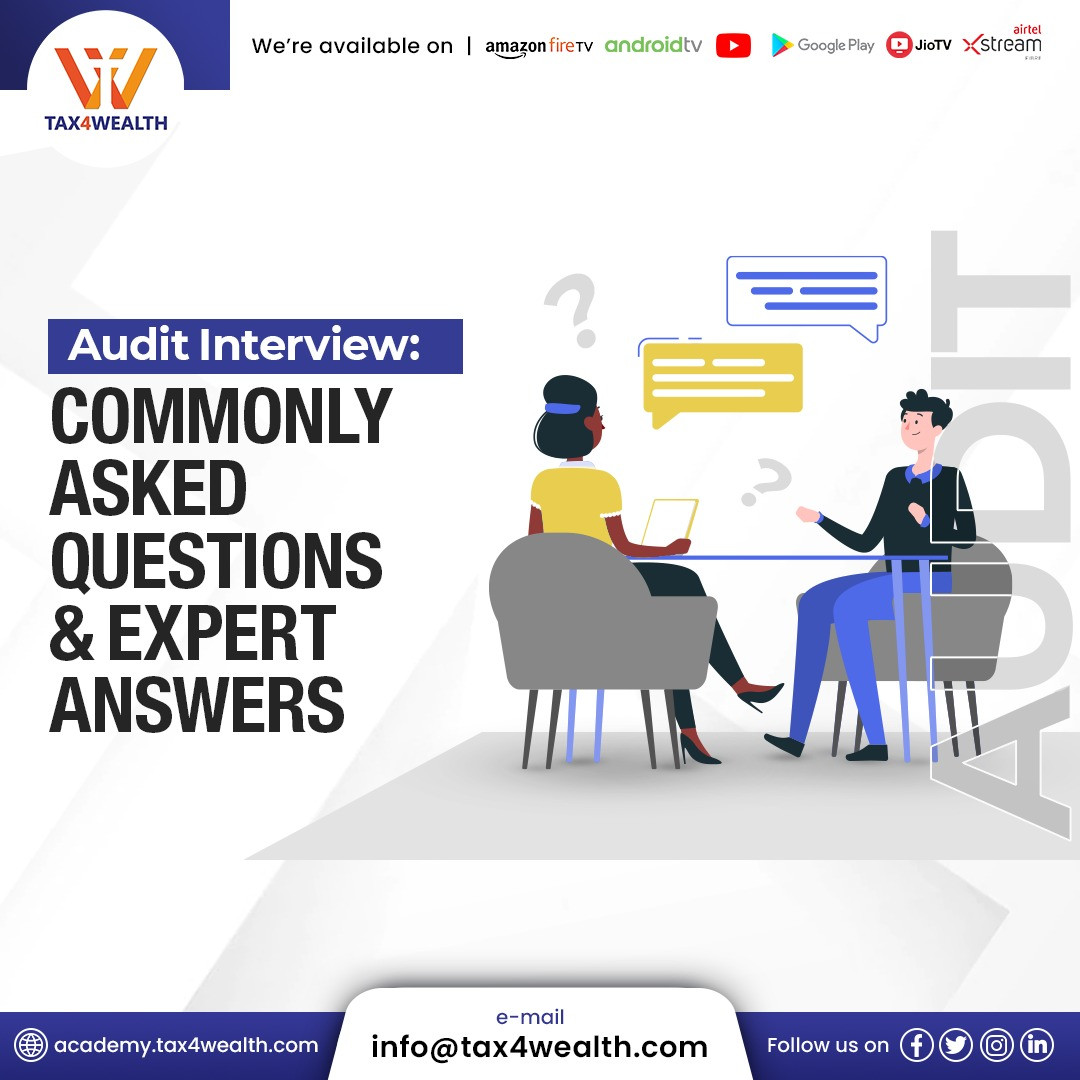
The process of auditing is a critical component of financial management and accountability in any organization. Whether you're a seasoned auditor or a fresh graduate aspiring to enter the field, audit interviews can be both challenging and rewarding. To help you prepare for your next audit interview, we've compiled a list of commonly asked audit interviews questions and provided expert answers to give you a competitive edge.
1. Can you explain what an audit is, and why it's essential?
An audit is a systematic examination of an organization's financial statements, internal controls, and processes to ensure accuracy, compliance with laws and regulations, and the safeguarding of assets. Audits are crucial because they provide assurance to stakeholders (such as shareholders, investors, and creditors) that the organization's financial information is reliable and trustworthy.
2. What are the key steps in conducting an audit?
The key steps in conducting an audit include:
✅ Audit Planning: This involves understanding the organization's objectives, identifying risks, and developing an audit plan.
✅ Risk Assessment: Evaluating the likelihood and impact of risks on financial statements.
✅ Testing Internal Controls: Assessing the effectiveness of internal controls in place to prevent errors and fraud.
✅ Substantive Testing: Examining individual transactions and account balances to detect material misstatements.
✅ Reporting: Communicating findings and opinions in the audit report.
What is GST Departmental Audit? Click here 👉🏻 GST Departmental Audit
3. What are the different types of audits, and can you explain the main differences between them?
There are several types of audits, but the main distinctions lie in their objectives:
✅ Financial Audit: Focuses on the accuracy of financial statements and compliance with accounting standards.
✅ Operational Audit: Evaluates the efficiency and effectiveness of an organization's operations and processes.
✅ Compliance Audit: Ensures that an organization adheres to laws and regulations.
✅ Internal Audit: Conducted by internal teams to assess internal controls and processes.
✅External Audit: Conducted by independent, external auditors to provide an objective opinion on financial statements.
4. What are some common audit risks, and how do you mitigate them?
Common audit risks include:
✅ Inherent Risk: The risk of material misstatement due to the nature of the business or industry. Mitigation involves careful risk assessment and extensive substantive testing.
✅ Control Risk: The risk that internal controls won't prevent or detect errors or fraud. Mitigation involves testing and assessing internal controls.
✅ Detection Risk: The risk that auditors won't detect material misstatements. Mitigation involves thorough audit procedures and sample selection.
5. How do you stay updated with the latest accounting and auditing standards?
Staying updated is crucial in the auditing profession. I regularly:
✅ Attend Training: Participate in training sessions, webinars, and workshops.
✅ Read Professional Journals: Stay informed about changes in standards through publications like the Journal of Accountancy or The CPA Journal.
✅ Membership in Professional Organizations: Join organizations like the AICPA (American Institute of Certified Public Accountants) or similar groups that provide access to resources and updates.
# Click here to know about the 👉🏻 Audit Under Income Tax Act
6. How do you maintain independence and objectivity as an auditor?
Maintaining independence is vital for auditors. To ensure objectivity, I:
✓ Follow the ethical guidelines set by professional bodies.
✓ Always approach the audit with a critical mindset.
✓ Refrain from any activities that could compromise independence.
7. What are the key qualities or skills that make a successful auditor?
✓ Emphasize the critical attributes:
✓ Showcase your ability to analyze complex data.
✓ Highlight your effectiveness in conveying findings and recommendations.
✓ Stress your precision in auditing processes.
✓ Reinforce your unwavering commitment to ethical standards.
✓ Mention your ability to adapt to changing regulations and technologies.
8. How do you differentiate between internal and external audits?
✅ Expert Strategy: Clarify the distinctions between these audit types:
✅ Internal Audit: Performed by an organization's own employees or a contracted internal audit team. It assesses internal controls, risk management, and operational efficiency.
✅ External Audit: Carried out by independent external auditors who provide an objective opinion on the accuracy and fairness of financial statements.
9. What are the fundamental steps involved in conducting an internal audit?
Outline the key phases of internal auditing:
✅ Planning
Describe how audit plans are developed, emphasizing the importance of understanding the organization's goals and risks.
✅ Risk Assessment
Explain how risk assessments help identify areas of focus for the audit.
✅ Testing and Evaluation
Discuss the process of examining controls, transactions, and processes to detect weaknesses or non-compliance.
✅ Reporting
Emphasize the significance of clear and concise reporting, highlighting the communication of findings and recommendations.
For more information, Visit us at: https://academy.tax4wealth.com/
Publisher:HOW TO DEAL WITH ETHICAL DILEMMAS AS AN ACCOUNTANT ?
Oct 30,2023
Ethical Dilemmas Encountered by Accountants in Accounting and Finance
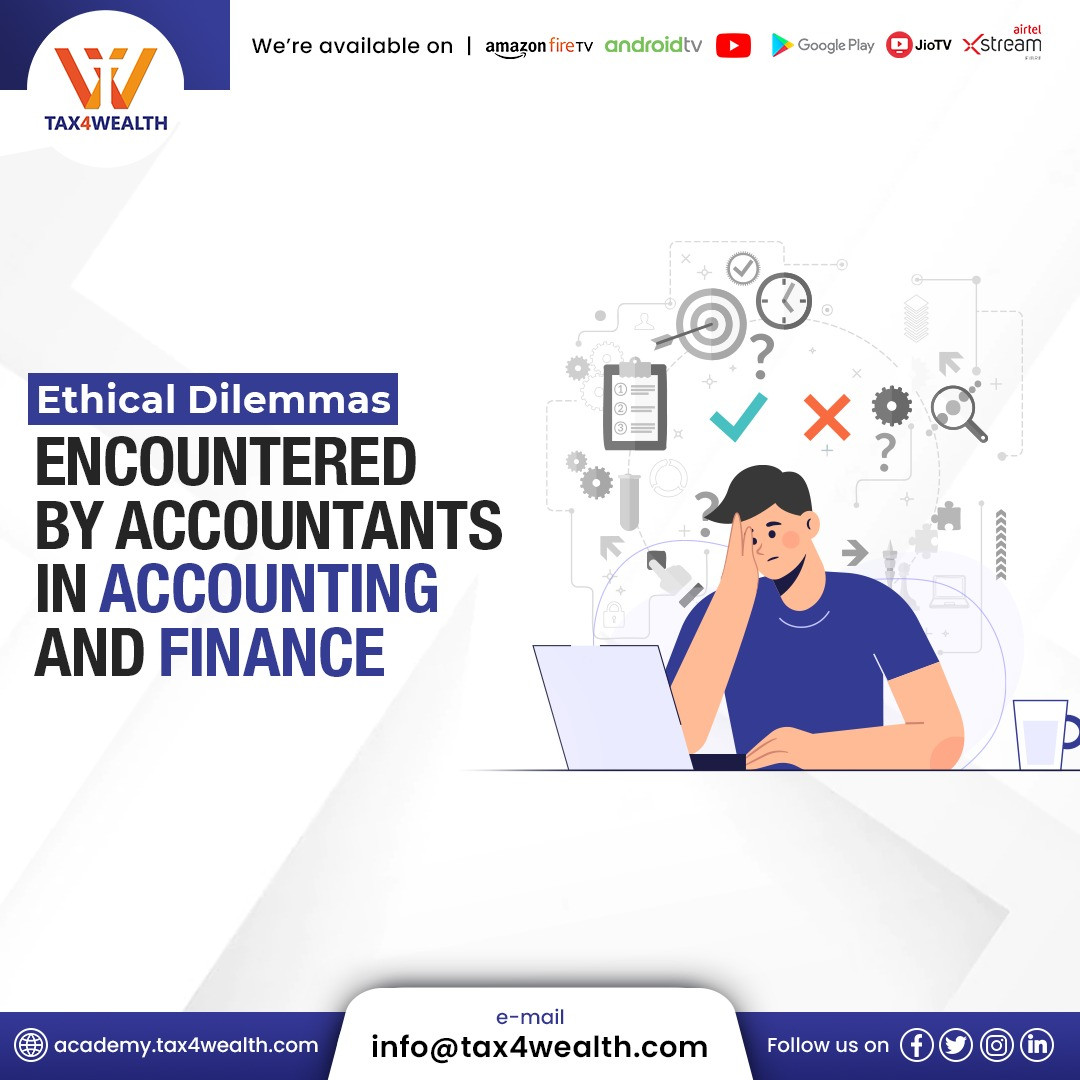
Accountants play a vital role in society, as they are responsible for preparing and auditing financial statements that are relied upon by investors, creditors, and other stakeholders. To fulfil this role effectively, accountants must maintain high ethical standards. However, accountants in India often face ethical dilemmas. Ethics serve as the moral compass that directs our choices and behaviours, and they assume a central and indispensable role within the realm of accounting. In this blog, we'll delve into some of the most common ethical dilemmas encountered by accountants in India.Ethical Dilemmas encountered by Accountants :1. Corporate GovernanceCorporate governance is a hot topic in India, where businesses often have intricate relationships with promoters, government bodies, and stakeholders. Accountants are often caught in the crossfire of maintaining transparency and pleasing powerful stakeholders. Ethical dilemmas in corporate governance include conflicts of interest, excessive executive compensation, and non-disclosure of material information. Accountants must navigate these situations with the utmost integrity to ensure the best interests of the company and its stakeholders are protected.2. Tax Evasion and ComplianceTax evasion is a common ethical dilemma faced by accountants in India. The temptation to underreport income or hide assets to reduce tax liability can be substantial, especially given the complex and often ambiguous tax laws. Balancing the desire to minimize tax costs with the ethical responsibility to adhere to the law is a constant struggle for accountants. Ethical accountants prioritize compliance and work towards efficient, lawful tax strategies.3. Bribery and CorruptionIndia has long grappled with corruption, and the business world is no exception. Accountants may face pressure to turn a blind eye to financial irregularities, bribery, and corruption, especially in sectors where such practices are deeply entrenched. It's essential for accountants to resist these pressures and report any such activities as per their ethical obligations.4. Insider TradingIn an environment where stock markets are highly sensitive to information, insider trading poses a considerable ethical dilemma. Accountants often have access to confidential financial data that, if leaked or misused, can significantly impact stock prices and shareholders. Accountants must be vigilant about maintaining the confidentiality of information and avoiding any involvement in insider trading activities.5. Creative AccountingCreative accounting, a practice involving manipulating financial statements to present a more favorable image of a company, is another ethical dilemma. Accountants may be tempted to indulge in such practices to appease stakeholders or improve the company's financial performance. However, it is paramount for ethical accountants to adhere to accounting standards and present an accurate picture of the company's financial health.6. WhistleblowingWhistleblowing can be an ethical dilemma, as accountants may fear retaliation or job loss for exposing financial irregularities. However, India's legal framework has evolved to protect whistleblowers, making it increasingly important for accountants to report unethical behavior without fear of repercussions.7. Professional IndependenceMaintaining professional independence is a critical ethical concern for accountants. They must remain impartial and avoid conflicts of interest when providing services to clients. This can be particularly challenging in a close-knit business environment like India, where personal relationships often play a crucial role.ConclusionThe ethical dilemmas encountered by accountants in accounting and finance in India are complex. Navigating these challenges while upholding professional integrity and the principles of transparency and accountability is essential. In a rapidly evolving business landscape, they must prioritize ethical conduct, as it not only safeguards their own reputation but also helps build a more robust and ethical financial ecosystem for the nation.Accountants play a vital role in society, as they are responsible for preparing and auditing financial statements that are relied upon by investors, creditors, and other stakeholders. To fulfil this role effectively, accountants must maintain high ethical standards. However, accountants in India often face ethical dilemmas. Ethics serve as the moral compass that directs our choices and behaviours, and they assume a central and indispensable role within the realm of accounting. In this blog, we'll delve into some of the most common ethical dilemmas encountered by accountants in India.For more information, Visit us at: https://academy.tax4wealth.com/
Publisher:TOP ACCOUNTING SKILLS | TIPS FOR ACCOUNTING STUDENTS
Nov 21,2023
Top Accounting Skills: Essential Tips for Accounting Students
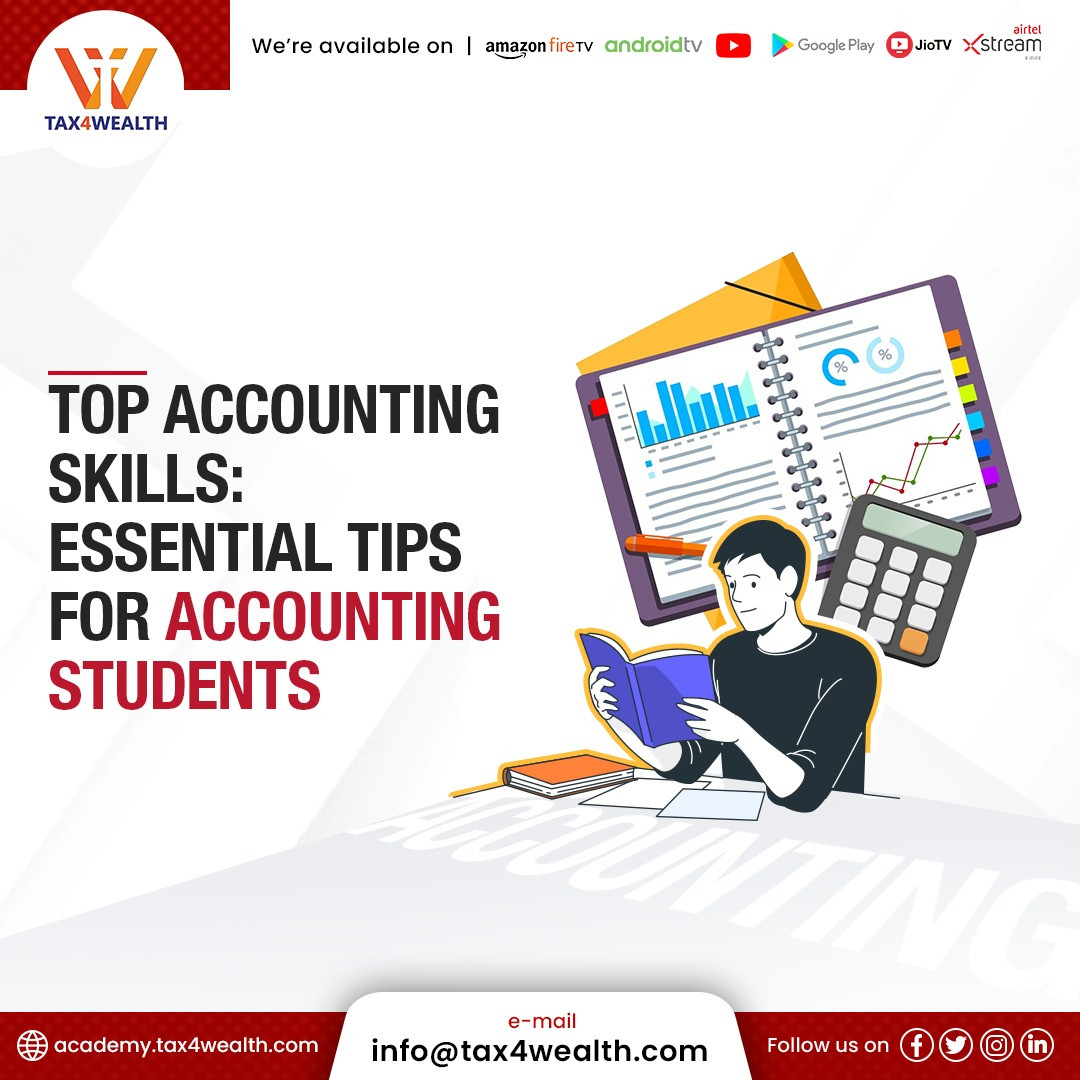
As the global economy continues to grow and evolve, the demand for skilled accountants remains strong. In India, where the financial sector is booming, accountants play a crucial role in ensuring the financial health of businesses and organizations. For aspiring accountants, developing a strong foundation of top accounting skills is essential for success in this competitive field.
Here are essential tips for accounting students looking to excel in the field:
1. Develop Strong Numerical Skills:
Accountants are responsible for handling a vast amount of financial data, so having strong numerical skills is crucial. This includes proficiency in basic arithmetic, algebra, and financial calculations. Being comfortable with financial ratios and formulas is also essential for analyzing financial statements and making informed decisions.
2. Master Accounting Concepts and Principles:
A thorough understanding of accounting concepts and principles is the foundation of any successful career in accounting. This includes knowledge of financial statements, double-entry accounting, journal entries, and the different types of accounts. Familiarize yourself with accounting standards and regulations that are applicable in India.
3. Gain Proficiency in Accounting Software:
Proficiency in accounting software is a highly sought-after skill by employers. Familiarize yourself with popular accounting software programs like Tally, QuickBooks, and SAP. These tools can streamline accounting processes, improve efficiency, and reduce errors.
4. Enhance Analytical and Problem-Solving Skills:
Accountants are not just number crunchers; they are also problem solvers. Develop your ability to analyze financial data, identify trends, and formulate solutions to complex financial problems. This involves critical thinking, logical reasoning, and the ability to see the big picture.
5. Cultivate Effective Communication Skills:
Communication is essential for accountants, as they need to interact with a variety of stakeholders, including clients, colleagues, and management. Develop your ability to communicate financial information in a clear, concise, and understandable manner. Both written and oral communication skills are important.
6. Practice Attention to Detail:
Accountants must be meticulous and have a keen eye for detail. Mistakes in financial reports can have serious consequences for businesses. Cultivate a habit of double-checking your work and ensuring accuracy in all your accounting tasks.
7. Stay Updated with Industry Trends:
The accounting industry is constantly evolving, with new technologies, regulations, and standards emerging. Stay updated with the latest trends and developments in the accounting field. This will enhance your expertise and make you a more valuable asset to potential employers.
8. Pursue Professional Certifications:
Consider pursuing professional certifications, such as the Chartered Accountant (CA) designation, to enhance your credibility and career prospects. These certifications demonstrate your commitment to professional development and adherence to industry standards.
9. Gain Practical Experience:
Internships and part-time jobs can provide invaluable hands-on experience in the accounting field. Seek opportunities to apply your theoretical knowledge in real-world settings. This will help you develop practical skills and gain insights into the day-to-day operations of accounting professionals.
10. Network with Industry Professionals:
Building a strong network of contacts in the accounting industry can open doors to new opportunities and provide valuable mentorship. Attend industry events, join professional organizations, and connect with accounting professionals on LinkedIn.
For more information, Visit us at: https://academy.tax4wealth.com/
Publisher:NON-ACCOUNTING JOBS THAT UTILIZE ACCOUNTING SKILLS
Dec 05,2023
Exploring Non-Accounting Jobs That Utilize Accounting Skills
An accounting degree opens doors to an array of career pathways beyond traditional accounting roles. The versatility and applicability of accounting skills across industries make it a valuable asset in today's dynamic job market. By recognizing and harnessing these skills creatively, accounting graduates can carve out fulfilling careers in unexpected yet rewarding fields.Whether it's deciphering complex financial data, uncovering discrepancies, or strategizing for business growth, the skills ingrained in an accounting education serve as a launching pad for a myriad of professional journeys. With an open mind and a willingness to explore unconventional opportunities, accounting graduates can chart a unique and fulfilling career path that transcends the boundaries of traditional accounting roles.In essence, an accounting degree doesn't confine one to a singular career track; instead, it serves as a versatile toolkit that can be wielded across diverse industries, enriching and shaping careers in remarkable ways.Diverse Career Pathways:1. Financial Analyst in Non-Financial Sectors:Financial expertise is invaluable in industries beyond finance. Many non-financial corporations seek financial analysts to assess performance, analyze market trends, and make strategic recommendations. These roles benefit from accounting acumen to interpret data and provide insights into improving operational efficiencies.2. Forensic Accountant / Investigator:Forensic accounting merges financial expertise with investigative skills. Professionals in this field analyze financial records to uncover fraud, embezzlement, or other financial discrepancies. Law enforcement agencies, consulting firms, and legal practices often rely on these specialists.3. Management Consulting:Management consultants assist organizations in optimizing performance. Accountants' analytical abilities, understanding of financial data, and problem-solving skills are highly relevant in this arena. They contribute to strategy development, process improvement, and financial restructuring.4. Entrepreneurship and Business Ownership:Accounting knowledge provides a solid foundation for aspiring entrepreneurs. Understanding financial statements, budgeting, and tax implications are crucial when starting and managing a business. Many successful entrepreneurs begin with an accounting background.5. Education and Training:Teaching accounting-related subjects at educational institutions or providing specialized training to businesses and individuals looking to enhance their financial literacy is another avenue for accounting graduates. Their expertise helps mold the next generation of financial professionals or empowers individuals with financial knowledge.Harnessing Accounting Skills in Diverse Settings:The unique skill set obtained through an accounting degree extends beyond number manipulation. Analytical thinking, attention to detail, problem-solving, and a deep understanding of financial principles are assets in various professions. Here's how to leverage these skills effectively:- Stay updated on industry trends, regulations, and technological advancements. Embrace ongoing education and certifications to remain competitive.- Engage with professionals from diverse fields to explore opportunities and understand how accounting skills can be applied in different contexts.- Embrace flexibility and adapt to changing environments. Highlight transferable skills in resumes and interviews to showcase suitability for roles outside traditional accounting.For more information, Visit us at: https://academy.tax4wealth.com/
Publisher:IMPACT OF BUSINESS ACCOUNTING AND TAXATION COURSES | ACADEMY TAX4WEALTH
Dec 14,2023
The Impact of Business Accounting and Taxation Courses in The Corporate World
In the ever-evolving world of business, knowledge is power. Among the array of skills crucial for success in the corporate world, proficiency in accounting and taxation stands as a cornerstone. The intersection of these disciplines forms the backbone of an organization's financial health and decision-making. A business accounting and taxation course serves as an invaluable toolkit, preparing individuals to navigate the complex landscape of corporate finance with confidence and insight.
Understanding Financial Dynamics:
A solid grasp of accounting principles lays the foundation for comprehending the financial dynamics of any business. Such accounting courses delve into financial statements, balance sheets, income statements, and cash flow statements, unravelling the language of business. This knowledge arms future professionals with the ability to analyze and interpret financial data accurately, enabling them to make informed decisions in the corporate arena.
Strategic Decision-Making:
The corporate world operates within a framework of strategies and objectives. An understanding of taxation laws and accounting practices equips individuals to align financial decisions with overarching business goals. By comprehending the tax implications of various strategies, businesses can optimize their operations, reduce liabilities, and maximize profitability—a skill set honed through rigorous coursework in this field.
Compliance and Ethics:
Ethical conduct and compliance with legal regulations are non-negotiable in the corporate sphere. Business accounting and taxation courses emphasize the importance of adherence to legal frameworks, fostering a culture of ethical responsibility. Individuals trained in these disciplines are equipped to navigate complex tax codes and regulations, ensuring that businesses operate within the boundaries of the law while maximising fiscal efficiency.
Communication and Collaboration:
Effectively communicating financial information is paramount in any corporate setting. Business accounting and taxation course is not only instil technical expertise but also emphasize the art of communication. Being able to convey complex financial data clearly and concisely fosters collaboration across departments, facilitating informed decision-making at all levels of the organization.
Adaptability in a Dynamic Environment:
The corporate landscape is a dynamic ecosystem, subject to constant change. An education in business accounting and taxation cultivates adaptability and problem-solving skills essential for thriving in this ever-shifting terrain. Whether it's adapting to new tax laws or restructuring financial strategies, individuals versed in these disciplines possess the agility to navigate and excel amid changing circumstances.
Conclusion:
In essence, business accounting and taxation course serves as a guiding light, illuminating the path for individuals venturing into the corporate world.The knowledge and competencies acquired through such accounting courses are not merely theoretical but practical, providing a solid foundation to confront the multifaceted challenges inherent in the corporate domain. As the business landscape continues to evolve, the significance of a robust understanding of accounting and taxation remains steadfast, serving as a linchpin for success in the corporate sphere.
For more information, Visit us at: https://academy.tax4wealth.com/